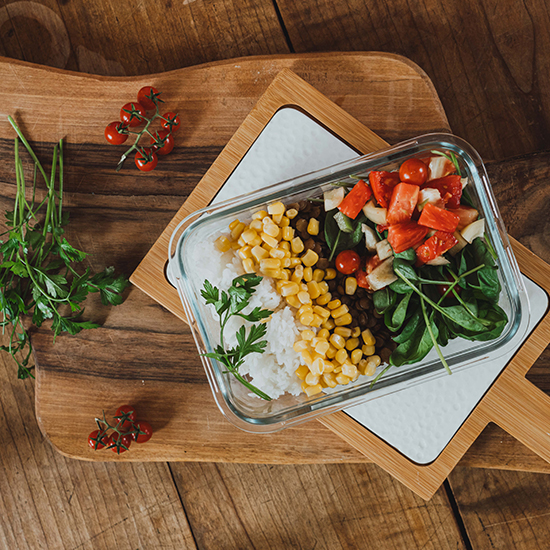


The majority of people suffer from a bout of constipation at least once in their lives, but it usually passes after a few days. If it lasts for longer, it is most likely to be a case of chronic constipation. This is the time that it is necessary to find solutions, before the constipation can develop into more serious health problems. For some people chronic functional constipation can be relieved through changes in lifestyle by such as getting more exercise, eating the right diet and taking on sufficient fluids, while some of the needs can also be covered by magnesium-rich Donat natural mineral water. If this is not enough then laxatives can be helpful, but if the problems nevertheless persist or any of the warning signs appear, then it is time to consult a doctor.
Highlights:
- Constipation is classed as chronic if for three months you have been moving your bowels fewer than three times a week, and you also notice other symptoms such as very firm stools, heavy straining, and a feeling of incomplete evacuation in more than a quarter of your bowel movements.
- Dietary fibre has a positive impact on the digestion. Soluble fibre swells in the gut and forms a gel that softens the stool, while insoluble fibre binds water to itself, thus increasing the volume of the stool and stimulating intestinal peristalsis.
- The body needs enough water to activate dietary fibre and soften the stool, and thus it is vital to ensure an adequate fluid intake if suffering from chronic constipation.
- Drinking magnesium-rich Donat mineral water is recommended for people suffering from chronic functional constipation. The sulphate salts in Donat work osmotically to draw water from the gut wall, thus increasing the volume of stool. Donat also stimulates intestinal peristalsis and relaxes the muscles.
- To optimise the efficacy of Donat in relieving chronic functional constipation, it is best to follow a protocol of drinking throughout the day.
How to recognise chronic constipation
The official medical definition of chronic constipation follows the internationally recognised Rome IV criteria, which include the following symptoms:
- fewer than three bowel movements per week
- hard or lumpy stools
- heavy straining during bowel movements
- a sensation of incomplete evacuation
- a sensation of anorectal obstruction/blockage
- a need for strong pressure or other manoeuvres to evacuate
Constipation is classed as chronic if you have noticed at least two of the aforementioned symptoms in the last three months during more than a quarter of your bowel movements, and the signs were first observed at least six months ago.
Differences between chronic and ordinary (acute) constipation
Acute constipation is most often a consequence of temporary changes, such as changes of diet, travel, stress or insufficient fluid intake. This situation usually improves in a few days, when the triggering factor is removed.
Chronic constipation is a long-term issue, which often arises because of a combination of several factors. If the issues last for several months, they cannot be resolved by laxatives alone, but instead require a comprehensive approach and a change in living habits.
What helps with chronic constipation?
Chronic constipation usually does not have a single solution. The best results are brought by a combination of several measures.
Be sure to get enough fibre in your diet
Dietary fibre is an important part of a balanced diet, in that it reduces the energy density of food, slows the emptying of the stomach, and has an impact on bowel movements. Soluble fibre swells in water, forming a gel that softens the stool and eases bowel movements. Insoluble fibre, which people cannot digest, draws water to itself in the gut, thus increasing the volume of stool and mechanically encouraging the intestinal walls to contract. The NIPH recommendations are for at least 30 g of fibre daily, but in Slovenia we eat too little: approximately 20 g per day according to the latest Si.Menu survey of dietary habits.

Adults should consume at least 30 g of dietary fibre daily. The most important sources of fibre are whole grains, pulses, fruits and vegetables, and nuts and seeds such as linseeds and psyllium. We can get the required quantity of fibre by eating 50 g of oatmeal and an apple at breakfast, a handful (30 g) of almonds as a snack, and a portion of broccoli (200 g) and cooked lentils (150 g) at lunch. A word of warning: when increasing our intake of fibre, it should be done gradually, while making sure to drink enough water. Without enough water, the fibre can clump and worsen the constipation.
Drink enough fluids
Water is essential for life, and is involved in practically all functions of the human body, including digestion. It affects the digestion by activating fibre and softening the stool, easing its passage through the intestines. If the body is dehydrated, the intestines draw water from food, resulting in dry, firm stool, which is hard for the body to evacuate.
The current European Food Safety Authority guidelines recommend two litres of water per day for an adult male. The water requirement for each individual is adjusted for parameters such as age, gender, weight, climate and physical activity.
The body takes on water through drinking, but also through food with a high water content such as fruit and vegetables. The best choice is ordinary water, and also mineral water in the right quantities, which also contains minerals vital to the body. Of these, magnesium is particularly important in relieving constipation. Drinking Donat, one of the richest natural sources of magnesium, should also be included in your daily routine when suffering from chronic constipation. It should be remembered that Donat is not meant for hydration, and that you should also drink plenty of water for this purpose.
Drink Donat for chronic constipation
Donat contains naturally occurring magnesium and other minerals that effectively relieve constipation. The sulphate salts in Donat work as a mild osmotic laxative – drawing water from the gut, thus increasing the volume of the stool – while magnesium also stimulates intestinal peristalsis and relaxes the muscles. Research shows that regular consumption of Donat also contributes to more frequent bowel movements and softer stools.
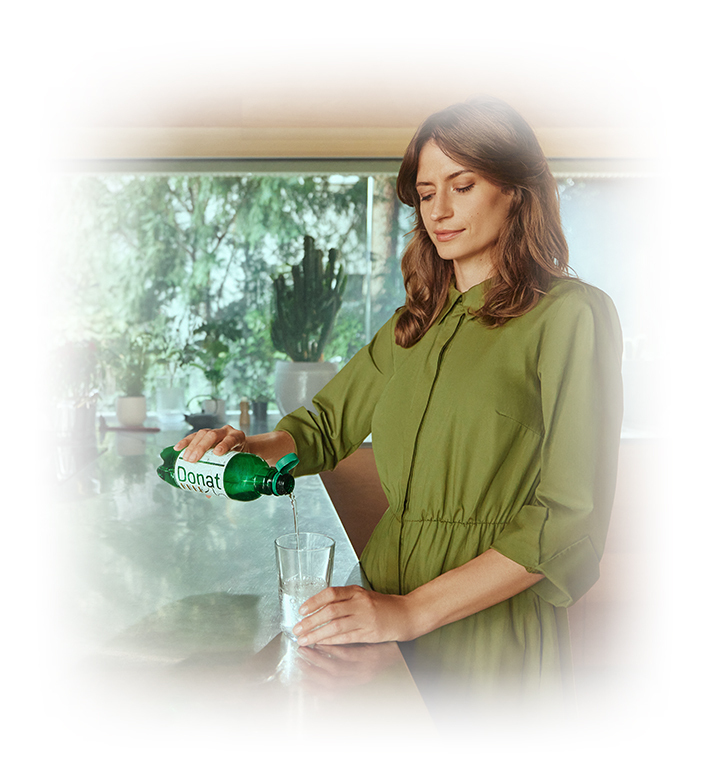
The best results will be achieved by drinking Donat using the protocol specially designed for relieving constipation. Drink 200 to 300 ml of lukewarm Donat in the morning on an empty stomach, and then 200 ml more of room temperature Donat before dinner. Drink the Donat quickly in both instances. When putting your routine in place, the free Donat Moments app can be very useful in guiding you in the correct consumption of Donat with its reminders and handy tips.
Make sure you get enough exercise
Movement directly speeds up the working of the intestines through mechanical pressure and increased blood flow. When you move, your intestines move with you.
Regular physical activity acts on the digestion as follows:
- it stimulates peristalsis, which moves the stool through the intestines
- it reduces transit time: because food passes more quickly through the colon, the body tends not to absorb too much water from it, and the stool therefore remains softer
- it activates the abdominal muscles, which naturally massage the digestive organs and encourage them to do their work
- it improves blood flow throughout the body, which also wakes up the digestive tract
The most effective for chronic constipation is regular moderate exercise, such as brisk walking, light running, cycling or yoga. Yoga also involves positions that massage the abdominal organs, thus helping with constipation.
Experts recommend at least half an hour of moderate exercise daily. The timing of the activity is important. It is most effective if you drink a glass of water or Donat on an empty stomach in the morning, and then spend a little time on your selected physical activity, as this is when the natural reflex of the intestines is strongest. Never exercise after a meal: wait at least 30 minutes, as intensive exercise at this time diverts blood to the muscles instead of the digestive system, slows digestion, and worsens the constipation.
Establish a regular bowel movement routine
A regular routine also helps bowel movements, as the brain and the intestines prepare for action together at the designated time. When you establish a routine, the body knows in advance when it needs to trigger muscle contractions for moving the bowels.
How do I establish a bowel movement routine?
- Choose a fixed time, ideally 15 to 30 minutes after breakfast or morning coffee/water.
- Take your time and relax in a peaceful setting, with no phone and no need to hurry.
- When you feel the urge to move your bowels, do not dally.
- Help yourself by getting in the right position. If necessary, use a low footstool to raise your knees (as when squatting). This relaxes the sphincter muscle.
- Do not strain too hard. If nothing is happening after 10 minutes, try again later or the next day at the same time. The body must never be allowed to associate the bowel movement routine with forcing.
The following bodily processes are involved:
- Utilising natural reflexes: the strongest reflex for evacuating the bowels is triggered in the morning, when you wake up or after the first meal. The morning routine exploits this reflex to the maximum.
- Conditioned reflex: if you go to the bathroom at the same time each day (for example at 7 am), the brain associates a bowel movement with this time. Eventually the bowels switch into movement mode at this time.
- Preventing the stool from drying out: if you ignore the bowel movement sensation, and delay it until later, the colon continues to absorb water from the stool. The stool becomes dry and hard, and is thus harder to evacuate.
If natural methods are not enough, make use of laxatives
If natural methods (which include regular drinking of Donat) do not bring results after a few days, you can try laxatives, which should only be a short-term solution. Long-term use can make the gut lazy, upset the electrolyte balance and cause fluid loss, some of which the body can get used to and become dependent on.

Laxatives are substances that help to soften the stool, or generally encourage bowel movements. There are several types of laxative, which differ in terms of the way that they work and their effects, although which is best really depends on the individual. If you have any doubts, consult your doctor about the choice.
Laxatives are a temporary solution for constipation, but they should never be taken for too long. If you need them often or over a longer period, consult your doctor or pharmacist.
What is best avoided when suffering from chronic constipation?
Some habits can make constipation issues even worse. It is best to avoid:
- fast food and ultra-processed food, white flour, desserts, red meat and dried meat products
- delaying the need for a bowel movement
- increasing the intake of fibre too quickly without increasing the intake of fluids at the same time
- using laxatives excessively or over the long term without consulting a medical expert
Common misconceptions about chronic constipation
Chronic constipation is merely unpleasant, and does not affect your health. Although constipation is usually not dangerous, long-term issues can cause bloating, abdominal pain, and a sensation of incomplete evacuation, while thinking continually about bowel movements can have an impact on your daily activities and social life.
If I have chronic constipation, I just need to learn to live with it. Chronic constipation is not something to get used to. With the right approach, many people are able to reduce their issues and improve their quality of life.
Chronic constipation will pass on its own. Acute constipation often disappears in a few days, but chronic constipation needs a comprehensive long-term approach. Doing nothing can lead to more serious health problems, such as haemorrhoids, anal fissures, and rectal prolapse.
FAQs
Do I have chronic constipation if I do not move my bowels every day?
No, the frequency of bowel movements alone does not necessarily mean you are suffering from constipation. Chronic constipation is a combination of symptoms lasting at least three months: fewer than three bowel movements per week, hard stools, heavy straining, a sensation of incomplete evacuation, etc.
What helps with chronic constipation?
Chronic constipation is largely alleviated by lifestyle changes, such as increased physical activity, a diet high in dietary fibre, good fluid intake, and the establishment of a regular bowel movement routine. Drinking magnesium-rich Donat mineral water is also proven to be effective in cases of chronic constipation.
How does Donat mineral water help in cases of chronic constipation?
Donat is a natural osmotic laxative that is clinically proven to relieve constipation without causing dependence or side effects.
Is it important how and when I take Donat for chronic constipation?
Yes, the way in which it is drunk affects how Donat acts on the digestion, and it therefore needs to be tailored to constipation relief for maximum effectiveness.
What is the right way to drink Donat in cases of chronic constipation?
When suffering from constipation, drink 200 to 300 ml of Donat in the morning on an empty stomach, and another 200 ml before dinner. In both instances drink it as quickly as possible, at room temperature.
Are laxatives dangerous?
Laxatives can be safe and effective in relieving constipation issues, when used correctly and in line with medical experts’ recommendations. Unsupervised or long-term use without identifying the cause of the issues can be a problem.
REFERENCES:
Rome IV criteria. https://theromefoundation.org/rome-iv/rome-iv-criteria/
Prehrana.si portal, NIPH and Ministry of Health. https://www.prehrana.si/
Prehranske smernice NIJZ. https://nijz.si/zivljenjski-slog/prehrana/prehranske-smernice/
SI.Menu national survey, published 12 November 2019, updated 5 December 2022. https://nijz.si/podatki/nacionalna-raziskava-si-menu/
Slovenes are not eating enough fibre, and constipation is often the result. Moje Zdravje magazine, February 2019. https://www.revijazamojezdravje.si/slovenci-zauzijemo-premalo-vlaknin/
Treatment for Constipation. National Institute of Diabetes and Digestive and Kidney Diseases (NIDDK), May 2018. https://www.niddk.nih.gov/health-information/digestive-diseases/constipation/treatment
Choose chapter: