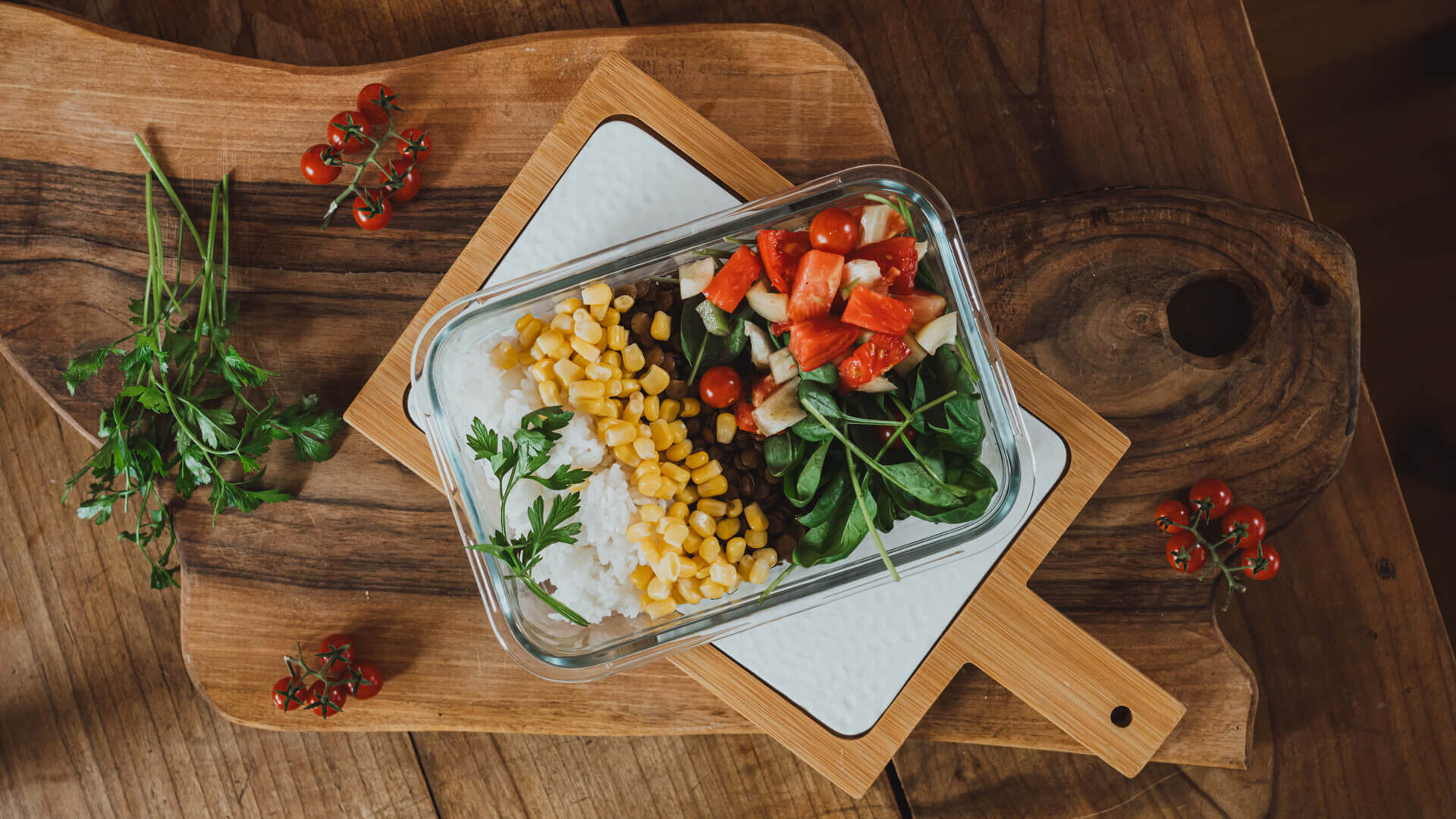
Constipation doesn’t always have a single cause; often it’s a combination of factors. Diet plays an important role, and changes in dietary habits can therefore do a lot to improve issues with constipation. What we put into our bodies every day affects the working of our digestion and the regularity of our bowel movements.
Key takeaways:
- To ease bowel movements, it’s important for food to contain enough dietary fibre and water, while other substances naturally present in foods and drinks can also help, such as sorbitol in prunes, or magnesium and sulphates in certain mineral waters.
- With its unique combination of magnesium and sulphates, Donat mineral water is proven to help with functional constipation.
- Fruits that are particularly beneficial in cases of constipation are prunes, kiwis, pears and apples.
- Foods with a high fibre content, such as psyllium, chia seeds and linseeds, pulses and nuts, and certain vegetables, are recommended for constipation.
- If you suffer from constipation issues, don’t forget to drink plenty of water.
- With constipation it’s good to limit consumption of highly processed foods, refined grains and products made from white flour, and foods with little or no fibre.
With the right diet, constipation can be prevented.
The food we eat affects not only the nutrients that the body gets, but more importantly how it moves through the gut. The right diet can help make the stool softer, and make bowel movements easier and more regular. Here the main roles are played by fibre, sufficient fluid intake, and certain substances naturally present in foods and drinks.
Impact of dietary fibre on constipation
Fibre acts on bowel movements in two ways:
- Soluble fibre dissolves in water to form a gel. This softens the stool, and makes it easier to pass.
- Insoluble fibre doesn’t dissolve in water, and mostly remains in the contents of the gut. It increases the volume of the stool, stimulates contraction of the intestinal walls, and thus speeds up bowel movements.
Different foods contain different types of fibre, and so a varied diet containing fruit, vegetables, pulses, seeds and whole grains is important to good digestion. Irrespective of the type of fibre, the recommendation is to gradually increase your intake, and above all to take on plenty of fluids. The NIPH recommends a daily intake of at least 30 g of fibre.
Substances in food and drink that help with constipation
In addition to fibre, food and drinks naturally contain certain other components beneficial to bowel movements:
- Sorbitol is a sugar alcohol naturally present in certain fruit, including plums, apples, pears and peaches. It has an osmotic effect in the gut: it helps retain water and soften the stool. Large quantities of sorbitol can however cause bloating, cramps or diarrhoea in people who are sensitive to it.
- Magnesium acts osmotically in certain quantities, and relaxes the intestinal muscles at the same time. For a good osmotic effect, it’s important to have sufficient quantities of magnesium in the right form. It can be found in mineral waters such as Donat, whose 1000 mg of magnesium per litre makes it one of the most magnesium-rich waters of all.
- Sulphates are naturally present in certain foods and mineral waters, but very few mineral waters contain them in high enough concentrations to have an osmotic effect. The main ones are magnesium sulphate and sodium sulphate, which in sufficient quantities can improve constipation, as proven by research into sulphate-rich mineral waters.
- Caffeine can also stimulate gut activity in certain people, and with it the need for a bowel movement. Research is yet to draw any reliable conclusion that it helps with constipation, but the latest studies have shown a correlation between moderate caffeine consumption and lower incidence of constipation.

Donat mineral water proven to help with constipation
A unique combination of magnesium and sulphates is also the secret behind Donat natural mineral water’s effect on healthy digestion. It acts as a moderate osmotic laxative, and also stimulates intestinal peristalsis and relaxes the muscles. It thus helps with bowel movements, and in moderate quantities has no side effects and does not cause dependency. Drinking Donat is therefore recommended in cases of constipation, along with a good diet. Its efficacy in improving constipation has also been proven by a German clinical study from 2015.
In cases of constipation the recommendation is for a varied diet, incorporating fruit, vegetables, pulses, nuts and seeds.
When we speak about food that helps with constipation, it’s important for it to contain enough fibre, while certain other substances in foods can also help make bowel movements easier, most notably sorbitol.
Fruits that can help alleviate constipation:
- Prunes. One of the most tried and trusted fruits when it comes to constipation, thanks in particular to their sorbitol and fibre content. Clinical studies have also proven the effectiveness of prunes in relieving constipation. It’s important to be careful with larger quantities, as they can cause bloating and diarrhoea.
- Kiwi. Contains fibre and plenty of water. Research shows that eating kiwi can increase the frequency of bowel movements and improve the consistency of the stool, although the precise mechanism of action is not fully explained.
- Pears. A good source of fibre and sorbitol, and also contain plenty of water. They are best eaten unpeeled, as the peel contains a lot of fibre.
- Apples. Also a good source of fibre. The peel mainly contributes insoluble fibre, while the flesh also contains pectin, a soluble fibre. They also have a high water content, and contain small amounts of sorbitol.
- Other fruits such as apricots, figs, peaches/nectarines, citrus fruits and berries also help with fibre intake, and form part of a balanced diet with a beneficial effect on constipation.
Vegetables that can help alleviate constipation:
- Broccoli. A good source of soluble and insoluble fibre, and also has a high water content.
- Brussels sprouts. Contain large amounts of fibre, including fermentable fibre that is consumed by gut bacteria, and thus contribute to a healthy gut flora (microbiota).
- Cabbage. Contains fibre and water. In addition to fibre, sauerkraut’s fermentation effects and live microorganisms make it invaluable for healthy digestion.
- Spinach and other leafy vegetables. Contain fibre and plenty of water.
- Sweet potato. A good source of soluble and insoluble fibre.
- Pumpkins and squash. Their fibre content is lower than other types of vegetables, but they do have a high water content. High water content also makes tomatoes and cucumbers beneficial in cases of constipation.
- Artichokes. A very good source of fibre, including inulin, a fermentable fibre.
Seeds, pulses and nuts that can help alleviate constipation:
- Chia seeds, linseeds and psyllium are rich sources of soluble fibre in particular. Psyllium is probably the best studied in treating constipation. Chia seeds and psyllium can be soaked in liquid (water, yoghurt, etc.) before eating. When treating constipation, linseeds are better eaten ground, as this makes it easier to absorb the nutrients and fibre.
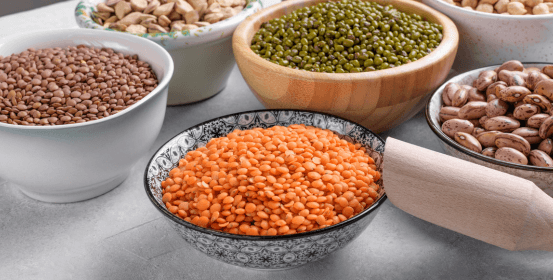
- Pulses are some of the richest plant sources of fibre, and are effective in alleviating constipation thanks to their combination of different types of fibre. Beans, lentils, chickpeas and peas are particularly good sources of fibre, but can cause bloating in some people, and therefore need to be introduced gradually if you’re not used to them.
- Nuts such as almonds, pistachios and hazelnuts can also help us get more fibre. All it takes is a small amount, for example a handful of almonds.
Wholegrain foods and their effect on healthy digestion:
Whole grains and products made from them are a good source of soluble and insoluble fibre, because they contain all components of the grain: the bran, the germ and the endosperm. Their high fibre content makes them recommended in cases of constipation. Good sources of fibre include oatmeal, wholemeal bread and wholemeal pasta, ryebread, barley, brown rice and bulgur wheat.
Importance of fermented foods for healthy digestion:
Fermented foods do not have a direct effect on bowel movements, but can be part of a varied diet that supports a healthy gut environment, thus contributing to the working of the gut. This group of foods comprises yoghurt and kefir with live cultures, sauerkraut, kimchi, kombucha and other ferments.
It’s important to drink plenty of fluids in cases of constipation.
Good fluid intake helps to keep the stool softer in consistency, and is therefore an important part of the diet when treating constipation. It’s particularly important to take in sufficient fluid when increasing the amount of fibre in the diet. The best choice is water and other unsweetened beverages, but it should be remembered that just drinking more water will not relieve constipation if you’re already drinking enough.
Natural mineral waters such as Donat are also a good choice. In addition to water it contains magnesium and sulphates, which help to make bowel movements easier. It’s important to remember that it’s not best suited to hydration, and plenty of water still needs to be drunk for this purpose. Donat is best drunk following the protocol specially designed for relieving constipation: 200 to 300 ml in the morning, lukewarm, followed by a further 200 ml at room temperature in the evening before bed. Donat Moments, a free app, can help us in drinking Donat the right way.
Foods that can make constipation worse
With constipation it’s also important to avoid foods that can slow down the digestion. It’s best to limit consumption of:
- highly processed foods, such as savoury snacks, biscuits, sweets, fast food, hot dogs, and salami, which often contain higher amounts of fat, sugar and salt, but little fibre.
- refined grains: white rice and products made with white flour, such as white bread, rolls and pastries, and ordinary pasta, which contain much less fibre than wholegrain foods. There’s no need to avoid them completely, but it’s sensible to gradually replace them with wholegrain foods.
- large quantities of red meat and other foods containing no fibre, if they mean we don’t eat enough plant foods rich in fibre.
- alcohol, as it contributes to dehydration, and in large quantities can affect the normal working of the digestion.
FAQs
What food should be eaten in cases of constipation?
The recommendation for alleviating constipation is to eat foods containing enough fibre and to drink plenty of fluids, while certain substances naturally present in food and mineral water can also be of help. These foods include certain fruits and vegetables, whole grains, psyllium, chia seeds and linseeds.
How much fibre do I need to eat daily?
The NIPH recommends a daily intake of at least 30g of fibre.
How does Donat mineral water help with constipation?
Donat is a natural osmotic laxative that is clinically proven to relieve constipation without causing dependence or side effects. It retains water in the gut, thus increasing the volume of the stool and softening it, while stimulating intestinal peristalsis at the same time.
What is the best fruit to eat to help with constipation?
Prunes are particularly recommended in helping to alleviate constipation, thanks to their sorbitol and fibre content. Kiwis, apples, pears and certain other fruits are also beneficial.
Do prunes really help with constipation?
Yes. Prunes are one of the best-researched foods when it comes to alleviating constipation. They contain fibre and sorbitol, whose osmotic effects can help soften the stool and make bowel movements easier.
Does coffee help with constipation?
Caffeine and coffee drinking can also stimulate gut activity in certain people, and with it the need for a bowel movement. The latest research shows a correlation between moderate caffeine consumption and lower incidence of constipation, although further studies are necessary to confirm this link.
Does psyllium help with constipation?
Yes. Psyllium is also one of the best-researched foods when it comes to alleviating constipation. It contains soluble fibre, which binds water, increases the volume of stool, and can improve its consistency and elimination. It’s important to drink enough water when eating these foods.
Literature:
Eating, Diet, & Nutrition for Constipation. What should I eat and drink if I’m constipated?, National Institute of Diabetes and Digestive and Kidney Diseases, zadnjič posodobljeno 1. 5. 2018 https://www.niddk.nih.gov/health-information/digestive-diseases/constipation/eating-diet-nutrition%C2%A0
Elise Mandl, BSc, Msc, APD in Rachael Ajmera, MS, RD, strokovni pregled Michael Schopis, MD. The Best Foods to Relieve Constipation. Healthline, zadnjič posodobljeno 20. 4. 2026 https://www.healthline.com/nutrition/best-foods-for-constipation#fa-qs
Yoneda H, Tomita T, Kitano T, Morishita D, Kodani M, Nishii N, Sei H, Eda H, Sato T, Kawai M, Yokoyama Y, Igeta M, Okugawa T, Fukui H, Shinzaki S. Magnesium-Rich Mineral Water Improves Stool Consistency and Bowel Habits in Healthy Subjects: A Randomized Controlled Trial. Neurogastroenterol Motil. 2026 Jun;38(6):e70378. doi: 10.1111/nmo.70378. PMID: 42286933; PMCID: PMC13263547. https://pubmed.ncbi.nlm.nih.gov/42286933/
Li H, Wang H. Association between caffeine intake and constipation in a U.S. population aged 20 to 65 years: Results from NHANES 2007 to 2010. Medicine (Baltimore). 2026 Jan 2;105(1):e46853. doi: 10.1097/MD.0000000000046853. PMID: 41496044; PMCID: PMC12778134. https://pubmed.ncbi.nlm.nih.gov/41496044/
Eltorki M, Leong R, Ratcliffe EM. Kiwifruit and Kiwifruit Extracts for Treatment of Constipation: A Systematic Review and Meta-Analysis. Can J Gastroenterol Hepatol. 2022 Oct 6;2022:7596920. doi: 10.1155/2022/7596920. PMID: 36247043; PMCID: PMC9560827. https://pmc.ncbi.nlm.nih.gov/articles/PMC9560827/
Choose chapter: